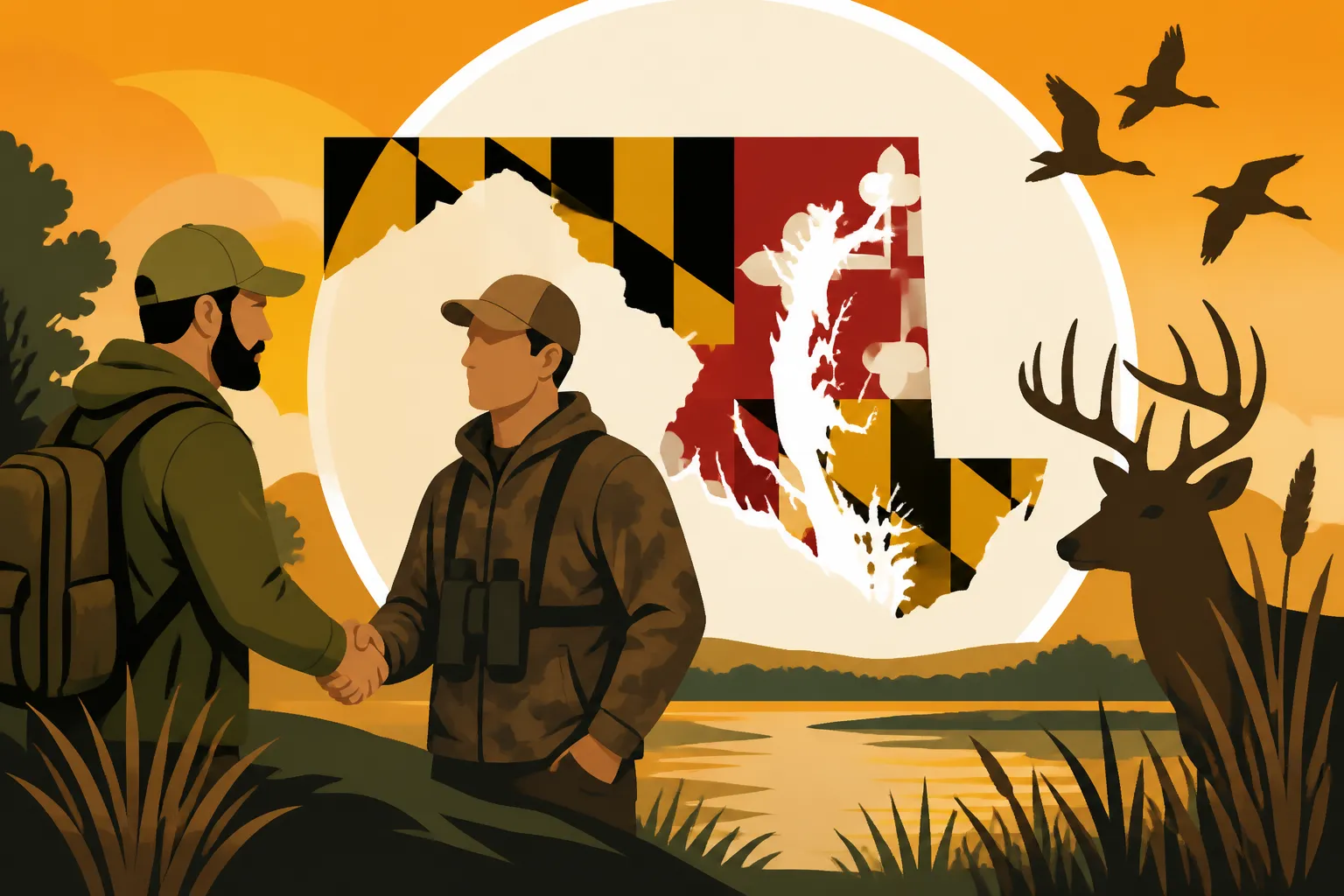
Choosing the Right Maryland Outfitter
The thought of hunting Maryland's diverse landscapes—from the whispering Western Maryland mountains to the vast, teeming marshes of the Eastern Shore—is incredibly exciting. But if you're not a local, or if you're looking to tackle a specific species or terrain that feels intimidatingly unfamiliar, the sheer logistics and learning curve can feel overwhelming. This guide is here to walk you through the essential considerations for choosing the right Maryland outfitter, helping you navigate the options and connect with a reputable professional who can turn your hunting dreams into a successful and memorable reality.
The Initial Spark: Deciding If a Maryland Outfitter Is Right for You
It's a big decision, whether to hire a guide or try to tackle a new hunting ground solo. Many experienced hunters pride themselves on their self-reliance, and for good reason! There's immense satisfaction in scouting, planning, and executing a successful hunt entirely on your own terms. But Maryland offers some truly unique hunting experiences, like the notoriously challenging sika deer in the tidal marshes or the complex world of Chesapeake Bay waterfowl, where local knowledge, specialized gear, and private access can make all the difference. It's not about admitting defeat; it's about making a strategic choice to maximize your chances and enjoyment.
When a Guide Makes Sense (and When It Doesn't)
Let's be honest, hiring a guide isn't for everyone, and it's certainly not always necessary. If you've spent years honing your skills in Maryland's hardwoods for whitetails, and you simply want to try a new public land tract, you might just need a good map and some boot leather. However, a guide becomes an invaluable asset in several key scenarios. Perhaps you're traveling from out of state and have limited time, making extensive DIY scouting impossible. Or maybe you're dreaming of a Sika Deer Hunting in Maryland's Tidal Marshes adventure, a pursuit that often requires specialized boats, knowledge of ever-shifting tides, and access to private marshland that would be nearly impossible to secure on your own. For species like black bear, where permits are limited and finding prime habitat can be tough, a guide who lives and breathes that mountain terrain can exponentially increase your odds.
Conversely, if your budget is extremely tight, or if you simply cherish the independent challenge of figuring things out for yourself, a guided hunt might detract from your preferred experience. Sometimes the thrill is in the struggle, the learning, and the satisfaction of earning every inch of success through your own grit. If you have ample time to scout, learn the nuances of local regulations, and potentially gain private land access yourself, then a DIY approach remains a fantastic, cost-effective option. The key is to be realistic about your time, resources, experience, and the specific challenges of the hunt you envision.
Understanding the "Guided Experience" in Maryland
What exactly does a "guided hunt" entail in Maryland? It's not a one-size-fits-all package, and understanding the variations is crucial before you even start looking. At its core, a guided hunt provides you with the expertise and resources of a local professional. This often means access to private land, specialized equipment (like custom-built waterfowl blinds, boats for marsh access, or ATVs for mountain terrain), and the guide's intimate knowledge of animal movements, feeding patterns, and local habitat. They'll handle the scouting, placement, and often much of the setup, allowing you to focus on the hunt itself.
The level of "guidance" can also vary. Some outfitters offer fully outfitted experiences where everything from lodging and meals to field dressing and transportation is included. Others might offer a "semi-guided" trip, where they provide access and some initial direction, but you handle more of the actual hunting logistics. For instance, a waterfowl guide on the Chesapeake might have blinds set and decoys spread, but you bring your own gun and calls. A sika guide might take you by boat to a prime marsh location, drop you off in a well-scouted spot, and then pick you up later. It's vital to clarify these details upfront to ensure the experience aligns with what you expect and desire.
Setting Your Hunting Goals and Expectations
Before you even glance at outfitter websites, take some time to really think about what you want from this hunt. Are you focused purely on harvesting a specific trophy, like a big sika stag or a mature Eastern Shore gobbler? Or is the experience itself—the camaraderie, the immersion in Maryland's unique environment, the escape from everyday life—more important? Knowing your priorities will help you narrow down your choices and communicate effectively with potential guides. For example, if you're a first-time hunter or looking for a Guided Hunts for Someone Who Has Never Gone, you'll want an outfitter known for patience and comprehensive instruction, not just a high success rate on trophy animals.
Consider your physical capabilities, too. A Marsh Hunting Sika Deer by Boat can be physically demanding, involving wading through muck and thick cover. Still-Hunting Western Maryland Mountain Timber requires stamina for steep climbs. Be honest with yourself and the outfitter about any limitations so they can recommend an appropriate hunt or make accommodations, perhaps suggesting Accessible Blinds and Guides Who Offer Them. Setting realistic expectations, both for the outcome and the effort involved, is the first step toward a satisfying guided hunt in Maryland.
Researching Maryland Outfitters: Beyond the Glossy Photos
The internet makes it incredibly easy to find outfitters, but separating the wheat from the chaff requires a discerning eye. Just like any service, there are excellent, reputable guides and then there are those who might not quite deliver on their promises. Don't fall for flashy websites alone; dig deeper to ensure you're entrusting your valuable hunting time and money to someone worthy.
Where to Begin Your Search (Online Resources and Beyond)
Your initial search will likely start online, and that's a great place. Major hunting websites, forums, and specialized booking platforms can be invaluable. Sites like BookYourHunt can connect you with various Maryland outfitters specializing in everything from Waterfowl Hunting Maryland's Chesapeake Bay to Black Bear Hunting in Western Maryland, offering a centralized place to browse options and read reviews. Similarly, resources like GoHunt often compile information on different states, including potential guiding services, though you might need to do some more direct searching from there. Don't underestimate the power of word-of-mouth. Ask fellow hunters, especially those who have hunted Maryland, for their recommendations. Local sporting goods stores, bait shops, and even taxidermists can be fantastic sources for trusted local guides, as they often interact directly with the hunting community.
Once you have a few names, visit their individual websites. Look for clear descriptions of their services, target species, hunt locations, and pricing structures. Professionalism in their online presence often reflects professionalism in their operation. While you won't find specific prices in this guide, good outfitters will clearly describe how they charge, whether it's a Day Rates Versus Package Prices or multi-day affair, and what those costs include. Be wary of sites that are vague on details or don't provide contact information beyond a simple email form.
Red Flags and Green Lights on Outfitter Websites
As you sift through outfitter websites, certain signs can indicate either a fantastic operation or one that might cause headaches.
Red Flags:
- Lack of Specificity: If a website talks generally about "great hunting" but doesn't detail specific game, locations, or methods, that's a concern. Are they truly specialists, or generalists trying to appeal to everyone?
- Outdated Information: A website with old dates, broken links, or references to seasons long past can suggest a lack of attention to detail or even an inactive business.
- Guarantees of Success: Hunting involves wild animals, and no reputable guide can guarantee a kill. Be extremely skeptical of any outfitter promising 100% success or a "trophy buck every time." They can promise effort, access, and opportunity, but not a dead animal.
- Over-the-Top Claims: If everything sounds too good to be true, it probably is. Unrealistic claims about animal size, hunting ease, or lack of pressure should raise a red flag.
- Missing License Information: In Maryland, certain guides, especially waterfowl guides, need specific state and federal licensing. A reputable outfitter will often mention their licensing or be able to provide it upon request. For example, Maryland's Licensed Waterfowl Guides are held to specific standards.
Green Lights:
- Clear, Detailed Descriptions: The more specific an outfitter is about their hunts, the better. This shows they know their business and want to manage client expectations.
- Professional Photos (with Real Hunters): While professional photos are nice, look for images that show real hunters with realistic harvests, and not just stock photos of huge animals.
- Dedicated "About Us" Section: This helps you get a feel for the guide's experience, passion, and philosophy.
- Transparency About Costs: Even if they don't list exact numbers, they should explain their pricing structure (e.g., "per hunter, per day," "all-inclusive package").
- Strong Emphasis on Safety: A good guide prioritizes safety above all else. Look for mentions of safety briefings, proper equipment, and responsible hunting practices.
The Critical Role of Reviews and References
Once you've identified a few potential outfitters, it's time to dive into reviews and references. This is perhaps the most crucial step in vetting a guide. Online reviews on platforms like Google, Facebook, or hunting-specific sites can offer valuable insights. Pay attention to both positive and negative feedback, and look for patterns. Are multiple people complaining about the same issue, like poor communication or misleading information? Or are most reviews overwhelmingly positive about the guide's professionalism, knowledge, and effort?
Even better than online reviews are direct references. A trustworthy outfitter should be happy to provide you with contact information for past clients. When you call these references, ask specific questions:
- What was the guide's communication like before, during, and after the hunt?
- Did the hunt meet your expectations? Why or why not?
- Were there any unexpected costs?
- How did the guide handle unexpected challenges (e.g., bad weather, slow hunting)?
- Would you hunt with them again?
- Did they provide accurate information about Maryland's Deer Bag Limits and Antler Rule or other specific regulations for your hunt?
Remember, references are curated, so they're likely to be positive. Read between the lines and listen for genuine enthusiasm versus lukewarm endorsements.
Asking the Right Questions: What to Discuss Before Booking
Once you've narrowed down your choices, it's time for direct communication. Don't be shy about asking a lot of questions. A good outfitter expects it and will appreciate your thoroughness. This initial conversation is a two-way street; it's your chance to assess them, and their chance to understand your needs.
Clarifying Hunt Details and Logistics
This is where you get into the nitty-gritty of what your hunting experience will actually look like.
- Specific Dates and Seasonality: Confirm the exact dates available and if they align with optimal times for your target species. For example, Hunting the Rut in Early to Mid November for whitetails or Hunting Sika Stags During Their Fall Whistle requires specific timing.
- Location and Access: Where exactly will you be hunting? Is it private land, public land, or a combination? How will you access the hunting areas (e.g., boat, ATV, walking)? Understanding Maryland Trespass and Permission Law is key, so confirm if they have written permission for private ground.
- Group Size and Hunter-to-Guide Ratio: Will you be hunting alone with the guide, or with a group? What's the typical number of hunters per guide? This impacts the personalized attention you receive.
- Accommodation and Meals: If lodging is included, what are the arrangements like? Shared rooms, private cabins? What about meals – are they provided, or are you responsible for your own?
- Transportation: How will you get from the lodge to the hunting areas? Are airport pickups included if you're flying in?
- Field Dressing and Game Recovery: Who is responsible for field dressing your animal? How will a harvested animal be retrieved from the field or marsh, especially if it's a large animal or in difficult terrain? For a Recovering a Deer From a Tidal Marsh, this is a huge logistical consideration.
- What's Provided by the Guide: Decoys, blinds, calls, specific weapons (e.g., if you're renting a shotgun for waterfowl)? Clarify exactly what they supply versus what you need to bring. What a Guide Fee Usually Covers and What Is Never Included in a Guided Hunt should be very clear.
Understanding Costs, Deposits, and Cancellation Policies
Financial transparency is paramount. Don't leave any room for surprise charges.
- Total Cost: Get a clear, all-inclusive quote for the hunt you're interested in. Ask if there are any additional fees (e.g., conservation fees, land access fees, unexpected fuel surcharges).
- Deposit Requirements: How much deposit is required, and when is it due? What are the payment methods accepted?
- Cancellation Policy: This is critical. Life happens. What is their policy if you have to cancel? What if they have to cancel due to unforeseen circumstances like severe weather or illness? Is the deposit refundable, transferable, or do they offer future credit? Make sure to understand their rules around When Deposits Are Due and Whether They Refund.
- License and Stamp Costs: Clarify that license and stamp fees are almost always your responsibility, not the guide's. Understand what you'll need, like a Maryland Migratory Game Bird Stamp Cost or a Sika Deer Stamp Cost for Residents.
- Taxidermy and Processing: Will the outfitter assist with getting your animal to a local processor or taxidermist? Are these services included in the hunt cost, or are they separate expenses you pay directly to the service provider?
Legalities, Licenses, and Maryland-Specific Regulations
Maryland has specific hunting laws that every hunter, resident or nonresident, must follow. A good outfitter will be knowledgeable about these and help ensure you comply.
- Licensing: Confirm exactly which Maryland Hunting Licenses and What They Cost and stamps you need to purchase for your specific hunt. They won't buy them for you, but they should tell you what's required.
- Weapon Regulations: If you're bringing your own firearm or bow, ensure it complies with Maryland's Legal Weapons by County for your hunting area. Some counties have restrictions on rifle use.
- Blaze Orange Requirements: Ask about How Much Blaze Orange Maryland Requires for your hunt, as requirements vary by season and weapon.
- CWD Regulations: If hunting in a Maryland's CWD Management Area Rules, understand any carcass import restrictions or testing requirements.
- Sunday Hunting: Clarify if your hunt takes place on a Sunday and if it's legal in that specific county and for that species. Maryland's Sunday Hunting Rules by County can be complex.
- Hunter Education: If you're new to hunting or from out of state, confirm if you've met Maryland Hunter Education Requirements.
- Permits: For specific hunts like bear, you need a Maryland's Black Bear Lottery permit. While a guide can't guarantee you'll draw one, they can advise on the application process.
Table: Key Questions to Ask a Maryland Outfitter
| Category | General Questions | Maryland-Specific Questions |
|---|---|---|
| Hunt Logistics | What dates are available? Group size? Daily schedule? | What species are you specifically targeting? What are typical success rates for your chosen hunt? |
| Location & Access | Where exactly will we hunt? How do we access it? | Is the land private or public? How do you handle marsh access for sika? |
| Costs & Payments | What's the total price? What's included/excluded? | Are specific county permits or stamps included? What about processing/taxidermy referral? |
| Cancellation | What happens if I cancel? What if you cancel? | How do you handle weather cancellations on a waterfowl hunt? |
| Licenses & Laws | What licenses do I need? | What are the specific weapon rules for this county? Any special CWD rules? |
| Gear & Prep | What gear should I bring? Any physical requirements? | What kind of boots are best for marsh hunting? Do I need waders? |
| References | Can I speak to past clients? | Can you provide references for hunters who sought similar experiences? |
Different Types of Maryland Guided Hunts
Maryland's diverse geography lends itself to a wide array of hunting opportunities, and guides often specialize in one or two areas. Understanding these distinctions will help you find the perfect match for your specific interest.
Sika Deer Outfitters: Marsh Tactics and Tidal Challenges
Sika deer hunting on Maryland's Lower Eastern Shore is a truly unique experience, unlike almost any other deer hunt in North America. These small, elusive deer thrive in the dense, impenetrable tidal marshes of Dorchester, Somerset, and Wicomico counties. The challenges are immense: navigating treacherous terrain, understanding complex tidal movements, and dealing with weather that can change in an instant. This is precisely why Sika Deer Hunting in Maryland's Tidal Marshes is often best undertaken with a seasoned guide.
Sika outfitters typically operate out of Dorchester or Somerset, using specialized boats to access remote marsh islands and ditch banks. They'll know Where Sika Deer Bed in Phragmites and how to read the subtle signs of their trails through the thick vegetation. Expect early mornings, often wading through water or thick mud. The guide will likely know the best spots to intercept deer moving between feeding and bedding areas, or where to call a stag during the "whistle" rut. Without a guide, simply accessing these areas, let alone finding deer, can be nearly impossible. They understand the tides, which dictates entry and exit, and have the means to safely retrieve an animal from challenging marsh conditions.
Waterfowl Guides: Bay Blinds, Field Layouts, and Sea Ducks
Maryland's reputation as a waterfowl mecca is legendary, especially along the Chesapeake Bay and its tributaries. This is another arena where guides shine, offering access to prime spots and the equipment necessary for a successful hunt.
- Chesapeake Bay Blinds: Many guides operate fixed shore blinds or offshore stake blinds, often in areas with long-standing hunting rights. They'll have decoys set strategically for Decoying Divers on Maryland's Open Bay like canvasbacks and redheads, or for puddle ducks in smaller guts and ponds. These hunts often involve boat rides in the dark to reach the blind before daylight, sitting through frigid temperatures, and the excitement of ducks and geese working the spread.
- Field Layout Hunts: For geese, particularly Canada geese on the Upper Eastern Shore, guides often specialize in field hunts. This involves setting up large decoy spreads in cut corn or grain fields and hunting from layout blinds. This is a highly effective method for Goose Hunting Maryland's Eastern Shore Grain Fields, relying heavily on scouting to find active feeding fields. Guides continually monitor goose movements to ensure you're in the right spot on the right day.
- Sea Duck Charters: For a truly distinct experience, some guides run charters specifically for sea ducks—scoters, long-tailed ducks, and eiders—in Maryland's offshore zones. These hunts involve specialized boats, often running many miles offshore into choppier waters. It's a different kind of waterfowl hunt, focusing on hearty birds that dive and brave the open ocean. Safety on these trips is paramount, and a guide with a proper captain's license and well-maintained vessel is non-negotiable, as detailed in Why Offshore Guides Need a Captain's License.
Western Maryland Big Game: Deer, Bear, and Mountain Terrain
While Maryland's Eastern Shore gets a lot of hunting press, the state's western mountains offer fantastic opportunities for whitetail deer and the much-coveted black bear. Hunting Maryland's Western Mountain Forests presents a very different set of challenges compared to the flat farmlands and marshes.
- Deer Hunting: Guides in Western Maryland often specialize in hunting the expansive state forests and private timber tracts of Garrett and Allegany counties. They'll know the best ridges, saddles, and clear-cuts where deer travel and feed. This can involve still-hunting, stand hunting, or even small drives on private land. The guide's knowledge of Wind and Thermals in Western Maryland Terrain can be a game-changer when trying to intercept mature bucks in mountainous areas. They might have stands pre-hung in strategic locations or advise on Setting Up on a Maryland Grain Field Edge if hunting transition zones.
- Black Bear Hunts: A guided bear hunt is a significant investment and decision, especially given the limited Maryland's Black Bear Lottery permits. Guides in this region will have extensively scouted areas known for bear activity, focusing on fall food sources like acorn flats and berry thickets. They understand bear behavior, travel corridors, and how to effectively track these large animals in dense woods. Recovering a bear can be a monumental task, and a guide's experience and resources, like pack frames or even ATVs (where legal), are invaluable for Packing a Bear Out of Savage River State Forest.
Turkey and Small Game: Specialized Opportunities
While less common than deer or waterfowl guiding, specialized outfitters do exist for wild turkeys and certain small game species in Maryland.
- Turkey Hunts: Maryland offers both spring and fall turkey seasons, and a guide can be particularly helpful for new turkey hunters or those unfamiliar with specific local patterns. They can help with calling, decoy placement, and understanding When Maryland Gobblers Start Strutting or where to find birds in different habitats. Whether you're trying Roost Hunting Gobblers on Maryland Farmland or tracking birds in the mountains, a guide's expertise can be the difference between a silent woods and a thrilling close encounter.
- Small Game and Upland Birds: A few outfitters might offer guided small game hunts, often focusing on rabbit hunting with dogs in thick briar patches, or perhaps Hunting Released Pheasants on Maryland Public Land at designated sites. These hunts are often more about the experience and dog work than a large harvest, and a guide provides access and an enjoyable outing.
The Financial Side: Breaking Down Maryland Guided Hunt Costs
Let's talk money, because guided hunts are an investment, and you need a clear picture of what you're paying for. Prices vary wildly depending on the species, location, duration, and what's included. No guide should be vague about their costs, and you shouldn't hesitate to ask for a comprehensive breakdown.
Understanding Day Rates Versus Multi-Day Packages
Most Maryland outfitters structure their pricing in one of two ways:
- Day Rates: This is a set price for a single day of hunting. It's common for waterfowl, small game, or single-day deer hunts. For example, you might pay a per-gun rate for a morning goose hunt. The advantage here is flexibility; you can book just one day if that's all your schedule or budget allows. The downside is that it might not include lodging, meals, or other amenities, and a single day can be hit-or-miss for success, especially if the weather doesn't cooperate.
- Multi-Day Packages: These typically bundle several days of hunting, often with lodging and sometimes meals included. This is more common for Booking a Maryland Sika Deer Hunt or a several-day whitetail hunt. Packages often provide better value per day and increase your chances of success over multiple outings. For instance, a 3-day/4-night package might be offered for a set price. Always compare the per-day cost of a package versus a standalone day rate to see where the best value lies. Understanding Maryland guided hunt price ranges involves looking at these two common structures.
What's Included and What's Not (Hidden Costs to Watch For)
This is where clarity is crucial. Always ask for a detailed list of what is included and excluded from the advertised price.
Typically Included:
- Guide services (the guide's time, knowledge, and effort)
- Access to private land or prime hunting areas
- Specialized equipment (blinds, decoys, boats, etc.)
- Field dressing of harvested game
- Transportation to and from hunting areas (from the lodge/meeting point)
Typically Excluded (Common Hidden Costs):
- Licenses and Permits: As mentioned, these are almost always your responsibility. Don't forget federal stamps for waterfowl.
- Gratuities (Tips): This is a significant additional cost. Many first-timers forget to budget for this.
- Meals and Lodging: If not explicitly stated as included, assume you're on your own.
- Game Processing and Taxidermy: The guide might field dress, but they won't typically pay for your deer to be butchered or your sika stag mounted.
- Ammunition: You bring your own.
- Travel to Maryland: Flights, gas, rental cars are your responsibility.
- Personal Gear: Clothing, specialized optics, weapons.
- Alcohol: If consuming, this is generally your expense.
A good outfitter will provide a comprehensive list, but it's always smart to ask specifically, "Is there anything not on this list that I should budget for?"
Tipping Etiquette: Showing Appreciation for Your Guide
Tipping your guide is standard practice in the hunting industry, and it's a critical part of a guide's income. It acknowledges their hard work, long hours, and expertise. So, how much should you tip?
- Big Game Guides: For deer, bear, or sika, a general range is 10-20% of the total hunt cost. If your guide went above and beyond, worked tirelessly, or helped you recover a difficult animal, lean towards the higher end. Even if you don't harvest, if the guide put in maximum effort and provided a great experience, a tip is still expected.
- Waterfowl Guides: For waterfowl, where the hunt often involves several hunters, tipping is typically calculated per gun. A common range is $50-$100 per person, per day, depending on the quality of the hunt, the guide's effort, and if birds were retrieved by a dog. Read How Much to Tip a Waterfowl Guide for more detailed insights.
- Camp Staff: If you're on an all-inclusive trip with lodging and meals, don't forget the cooks and housekeepers. A separate tip for them, perhaps $20-$50 per person for the duration of the trip, is a thoughtful gesture.
Always bring cash for tips, as it's often preferred and easier for the guide to manage. If you truly had a bad experience due to a guide's lack of effort or professionalism, then adjust your tip accordingly, but always ensure it's about their effort, not just the harvest outcome.
Preparing for Your Guided Maryland Hunt
You've booked the hunt, put down your deposit, and now the anticipation is building! Proper preparation is key to ensuring you maximize your investment and have a safe, enjoyable, and successful experience.
Physical and Shooting Preparation
Don't underestimate the physical demands of some Maryland hunts.
- Sika Marsh Hunts: These can involve significant wading through mud and water, navigating thick phragmites, and potentially dragging an animal through tough terrain. Get your legs and core in shape. Consider practicing with Hip Boots Versus Chest Waders in Sika Country to ensure they fit well and you're comfortable moving in them.
- Western Maryland Mountain Hunts: Chasing deer or bear in places like Savage River State Forest or Green Ridge State Forest involves steep climbs, uneven terrain, and covering long distances. Hiking, stair climbing, and general cardio will serve you well.
- Shooting Practice: This cannot be stressed enough. Your guide's job is to put you in a position to shoot, not to make the shot for you. Spend ample time at the range with the exact weapon you plan to use. Practice from various positions (sitting, kneeling, standing) that mimic hunting scenarios. If you're bowhunting, practice with your hunting broadheads. If it's a waterfowl hunt, practice mounting your shotgun smoothly and shooting at clays to get your lead right. The last thing you want is to miss a shot at a trophy animal because of a lack of practice. Be honest with yourself and the guide about your effective range.
Essential Gear and Packing for Maryland Weather
Maryland weather, especially during hunting season, can be notoriously unpredictable. A mild, sunny autumn day can quickly turn into a frigid, rainy, or even snowy mess. Layers are your best friend.
- Clothing: Think layers, layers, layers. Moisture-wicking base layers, insulating mid-layers (fleece or synthetic down), and a waterproof, windproof outer shell are essential. Pack extra socks. For waterfowl and marsh hunting, proper waders or waterproof boots are non-negotiable. Don't forget blaze orange if required for your hunt.
- Footwear: Sturdy, waterproof boots with good ankle support are a must for deer and bear hunting. For sika and waterfowl, chest waders are often necessary. Have backup footwear for camp.
- Optics: Binoculars are essential for spotting game, especially in open fields or dense timber. A rangefinder is crucial for ethical shots.
- Weapon and Ammunition: Bring your own firearm/bow and plenty of ammunition. Double-check Maryland's Legal Weapons by County for any specific caliber or type restrictions in your hunt area.
- Other Essentials: Headlamp with extra batteries, small first-aid kit, emergency whistle, small backpack for daily essentials, camera (for photos, not for locating game if restricted), a knife for field dressing, and plenty of snacks and water.
- Coolers: If you're harvesting game, have a plan for transporting the meat home. Large coolers with ice are essential, especially for longer drives or flights.
Consult with your outfitter about their specific packing recommendations. They know their local conditions best.
Handling Your Harvest: Processing, Taxidermy, and Travel
What happens after you successfully harvest an animal? You need a plan.
- Field Dressing: Your guide will likely assist with this. Be prepared to help.
- Game Processing: Discuss with your guide local deer processors or butchers. They often have relationships with reputable services that can cut, wrap, and even freeze your meat. Factor in the cost of processing, which is separate from your hunt.
- Taxidermy: If you're hoping for a shoulder mount or European skull mount, discuss this with your guide immediately after harvest. They can cape the animal appropriately in the field and direct you to local taxidermists. Maryland has some excellent taxidermists, and learning about Getting a Sika Stag Mounted specifically can be very helpful. Remember, taxidermy is a significant, separate expense.
- Transporting Game:
- Meat: For driving, having plenty of coolers and ice (or dry ice for longer trips) is essential to keep meat cool. For flying, you'll need to check with your airline about their policies for transporting frozen meat, often requiring it to be in an approved cooler as checked baggage.
- Trophy Heads: For mounts, discuss with your taxidermist or guide how to properly prepare and ship the cape and antlers. This often involves freezing the cape and packing the antlers securely. Be aware of CWD regulations if traveling with deer or elk parts across state lines, even if Maryland doesn't currently have major restrictions on bringing carcasses out of its CWD management zones for processing, other states might have rules for bringing them in. Always check the regulations of your home state.
After the Hunt: Maximizing Your Experience and Feedback
The hunt might be over, but the experience isn't truly complete until you've processed the memories, given feedback, and perhaps even started planning the next adventure.
Post-Hunt Communication and Gratitude
Even if you didn't harvest an animal, a thank-you to your guide goes a long way. A simple phone call, email, or even a handwritten card expressing your appreciation for their efforts is always welcome. Guides work incredibly hard, often in challenging conditions, and positive feedback means a lot. If you did harvest, sharing photos and updates on the processing or taxidermy can be a nice touch. Remember, hunting is a small community, and building positive relationships can open doors for future opportunities.
Providing Constructive Feedback and Sharing Your Story
Whether your hunt was everything you dreamed of or fell a little short, your feedback is valuable.
- Direct Feedback to the Outfitter: If you have constructive criticism, offer it respectfully and privately. A good outfitter wants to improve and will genuinely appreciate honest feedback. Focus on actionable points rather than just vague complaints. "The communication about daily plans felt a bit unclear," is more helpful than "I didn't like how things were run."
- Online Reviews: If you had a great experience, consider leaving a positive review on platforms like BookYourHunt, GoHunt, or the outfitter's social media pages. This helps other hunters make informed decisions and supports the guide's business. If you had a genuinely negative experience that you couldn't resolve directly with the outfitter, and you feel it's important to warn others, frame your review factually and avoid overly emotional language. Stick to what happened and how it affected your hunt.
- Share Your Story: Whether it's with friends, family, or on hunting forums, sharing your Maryland hunting story helps keep the passion alive and inspires others. Your narrative, whether it's about a successful sika stag or the beautiful solitude of a mountain morning, contributes to the rich tapestry of hunting culture.
Building Relationships for Future Hunts
Many hunters find a great guide and stick with them for years, building a lasting relationship. If you had an excellent experience, consider Booking a Maryland Hunt Off-Season for the following year. Outfitters often appreciate repeat clients and might even offer slight discounts or priority booking. A strong relationship can also mean your guide keeps you in mind for special opportunities, like last-minute cancellation spots or unique hunts that aren't widely advertised. This connection transforms a transactional booking into a more personal and rewarding partnership, enriching your hunting life in Maryland for years to come.
Disclaimer
This article is for general informational purposes only and does not constitute professional advice. Laws, prices and regulations vary by location and change over time. Consult a qualified professional for guidance on your specific situation.